

Unlocking the perfect cup of coffee can be a daunting task for beginners. With countless brewing methods and varying grind sizes, it’s easy to feel overwhelmed. This guide simplifies the process, offering essential tips on using coffee beans effectively, ensuring that anyone can enjoy a rich, flavorful brew at home.
Discovering the World of Coffee Beans: From origin to Flavor
Exploring Coffee Beans: A Journey from Farm to Cup
The world of coffee beans is as rich and diverse as the flavors they produce. Originating from various regions around the globe, each type of bean carries unique characteristics shaped by its habitat, cultivation methods, and processing methods. Understanding these nuances not only enhances your appreciation for coffee but also guides you in selecting the perfect beans for your brewing needs.
Understanding Coffee Origins
- Arabica: Grown at high altitudes,Arabica beans are known for thier variety of flavors and smoother profile,often featuring radiant acidity and fruity notes. Commonly found in countries like colombia, Ethiopia, and Brazil.
- Robusta: This variety thrives at lower altitudes and is typically stronger and more bitter than Arabica. It’s often used for espresso blends and is primarily produced in Vietnam and Brazil.
- Liberica and Excelsa: These lesser-known beans offer unique flavors and aromas, often described as floral or fruity. They are grown in specific regions of West Africa and Southeast Asia.
Flavor Profiles and Brewing Techniques
Once you have chosen your beans, the next step is to consider how to extract their best qualities through brewing. Different beans lend themselves well to different methods:
| Brewing Method | Best Beans | Flavor Notes |
|---|---|---|
| French Press | Coarse ground Arabica | Full-bodied,robust |
| Pourover (V60) | Medium ground Arabica | Bright,complex flavors |
| AeroPress | Fine ground blend | Smooth,bold |
Each method highlights different aspects of the coffee’s flavor profile. For example, the French press method allows for more oils to remain in the cup, resulting in a richer flavor, while aeropress brewing can bring out a more concentrated, bold taste.
Exploring the world of coffee beans is an adventure. From the origins of each bean to their flavor profiles and brewing methods, knowing how to use coffee beans effectively will elevate your home brewing experience. as you experiment with various beans and techniques, you’ll discover personal preferences that make each cup not just a drink, but a delightful experience.
The Art of Grinding: How to Achieve the Perfect Coffee Texture
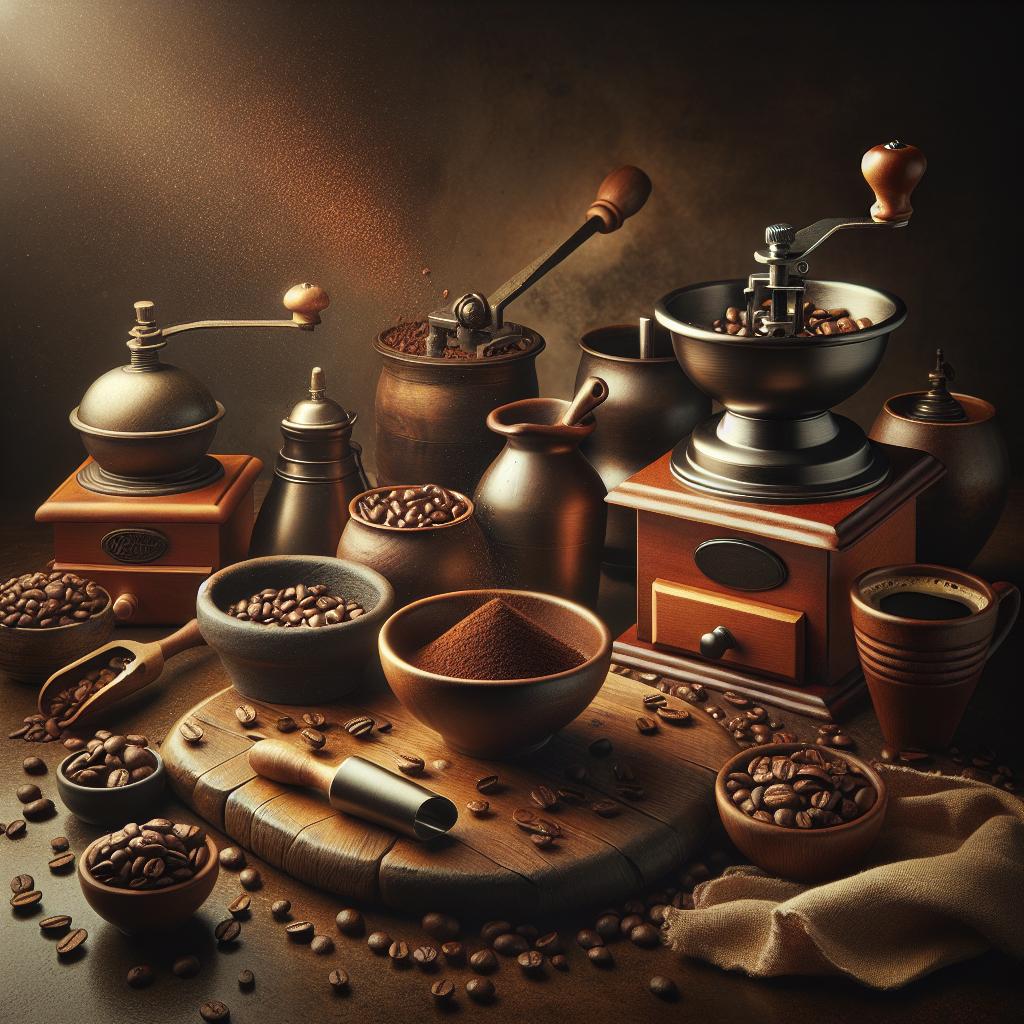
The perfect cup of coffee begins with a crucial step: grinding the beans. The texture of the grind can either elevate your brew or send it spiraling into a bitter abyss. Understanding how to achieve the ideal coffee grind texture is essential for both novice brewers and seasoned aficionados. Too fine a grind can lead to over-extraction, resulting in bitterness, while a coarser grind might leave you with a weak, insipid flavor. The goal is to find a balance that captures both the aromatic oils and the nuanced flavors locked within the beans.
Understanding Grind Size
Grind size plays a pivotal role in how your coffee extracts flavor during brewing. Here’s a speedy overview of common grind sizes and their best uses:
| grind Size | Best For | Characteristics |
|---|---|---|
| Coarse | French Press, Cold Brew | rough chunks; slow extraction |
| Medium | Drip Coffee Makers, Pour Over | Granulated; balanced extraction |
| fine | Espresso, Aeropress | Powdery; quick extraction |
| Extra Fine | Turkish Coffee | Flour-like; instant extraction |
Techniques for Grinding
The method you choose for grinding your coffee can further impact the texture and flavor of the final brew. Two primary techniques are pulse grinding and continuous grinding. Pulse grinding involves short bursts, allowing you to achieve greater control over the grind size and preventing overheating, which can affect flavor. Continuous grinding, on the other hand, can be efficient but may lead to inconsistencies in texture if not monitored carefully.
When you’re grinding, always keep in mind the brewing method you will use afterward. For instance, if you’re planning to use a French Press, aim for a coarse grind, while an espresso machine will require a fine grind. Each method requires its unique grind size to optimize the extraction process and yield a rich and balanced cup.
Practical Tips for Perfecting Your Grind
To ensure you’re getting the most flavorful coffee, here are practical tips to enhance your grinding experience:
- Invest in a quality grinder: Burr grinders provide a consistent size compared to blade grinders, which can produce uneven particles.
- Clean your grinder regularly: Residue from previous grinds can taint the flavor of new batches, so a deep clean every few weeks can make a significant difference.
- Experiment: Don’t hesitate to try different grind sizes with various brewing methods to discover what suits your palate best.
By mastering the art of grinding, you’re one step closer to brewing excellence.Understanding how to correctly grind your coffee beans allows you to extract the maximum flavor from every cup, aligning perfectly with the foundations discussed in *How to Use coffee Beans: Brewing Tips for Beginners*.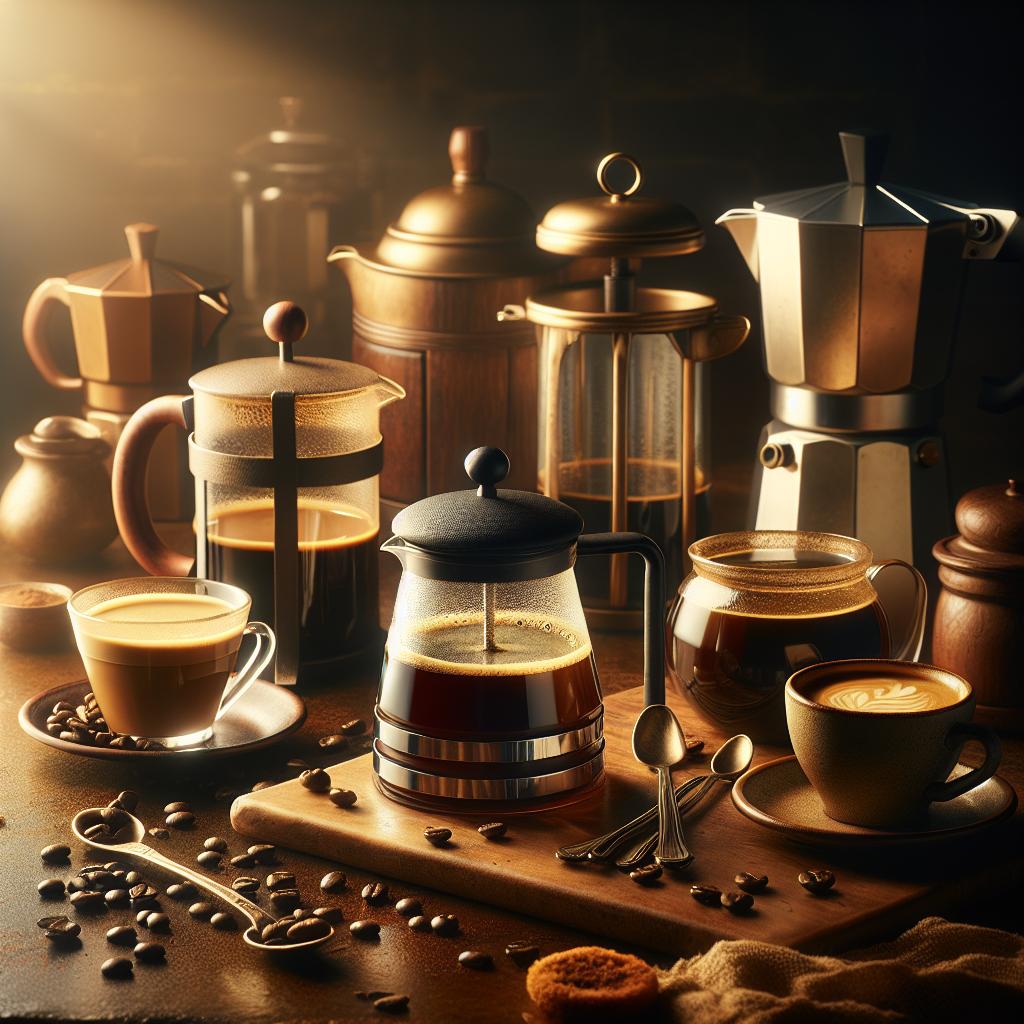
Brewing Methods 101: Exploring Your Options from French Press to Espresso
Unlocking the Flavor: The Art of Brewing Coffee
Coffee lovers know that the brewing method significantly influences the final cup. Each technique, from the robust French press to the precision of espresso, offers a distinct flavor profile and aromatic experience. Choosing the right brewing method is not just about personal preference; it is crucial to maximizing the potential of your coffee beans.
When starting your coffee journey, understanding the main brewing options is essential. Here are some popular methods and what makes them unique:
- French Press: This method involves steeping coffee grounds directly in hot water, allowing for full extraction of flavors and oils. The result is a rich,bold cup of coffee that retains a lot of body.
- Pour-Over: For those who enjoy a hands-on approach, pour-over brewing lets you control the flow of water for optimal extraction. The smooth and clean profile is perfect for savoring lighter roasted beans.
- Espresso: A concentrated coffee brewed by forcing hot water through finely-ground coffee. It serves as the base for many coffee drinks, offering a strong, complex flavor with a velvety crema on top.
- AeroPress: Highly portable, the AeroPress combines immersion and pressure, resulting in a smooth and diverse cup that can rival traditional espresso.
Understanding Your Coffee Grind
Different brewing methods require different grind sizes for optimum flavor extraction. As a notable example, the French press works best with coarse grounds, while espresso requires finely ground coffee. Adjusting the grind size in conjunction with the brewing time greatly affects the extraction process,ensuring you get the desired taste.
Moreover, the type of coffee bean you select can enhance your brewing method’s effectiveness. darker roasts might potentially be best suited for methods like French press, while medium roasts shine in pour-over setups. For beginners, experimenting with various beans and brews can lead to delightful discoveries.
Quick Reference Table of Brewing Methods
| Brew Method | Grind Size | Flavor Profile | Planning Time |
|---|---|---|---|
| French Press | Coarse | Rich, full-bodied | 4-5 minutes |
| Pour-over | Medium | Bright, clean | 2-4 minutes |
| Espresso | Fine | Strong, intense | 25-30 seconds |
| aeropress | Medium-fine | Flexible, can mimic espresso | 1-2 minutes |
Armed with these insights, you can approach each brewing method with confidence, turning your coffee beans into a delightful brew. By mastering the basics of how to use coffee beans with these brewing tips for beginners, you will elevate your coffee experience to a whole new level.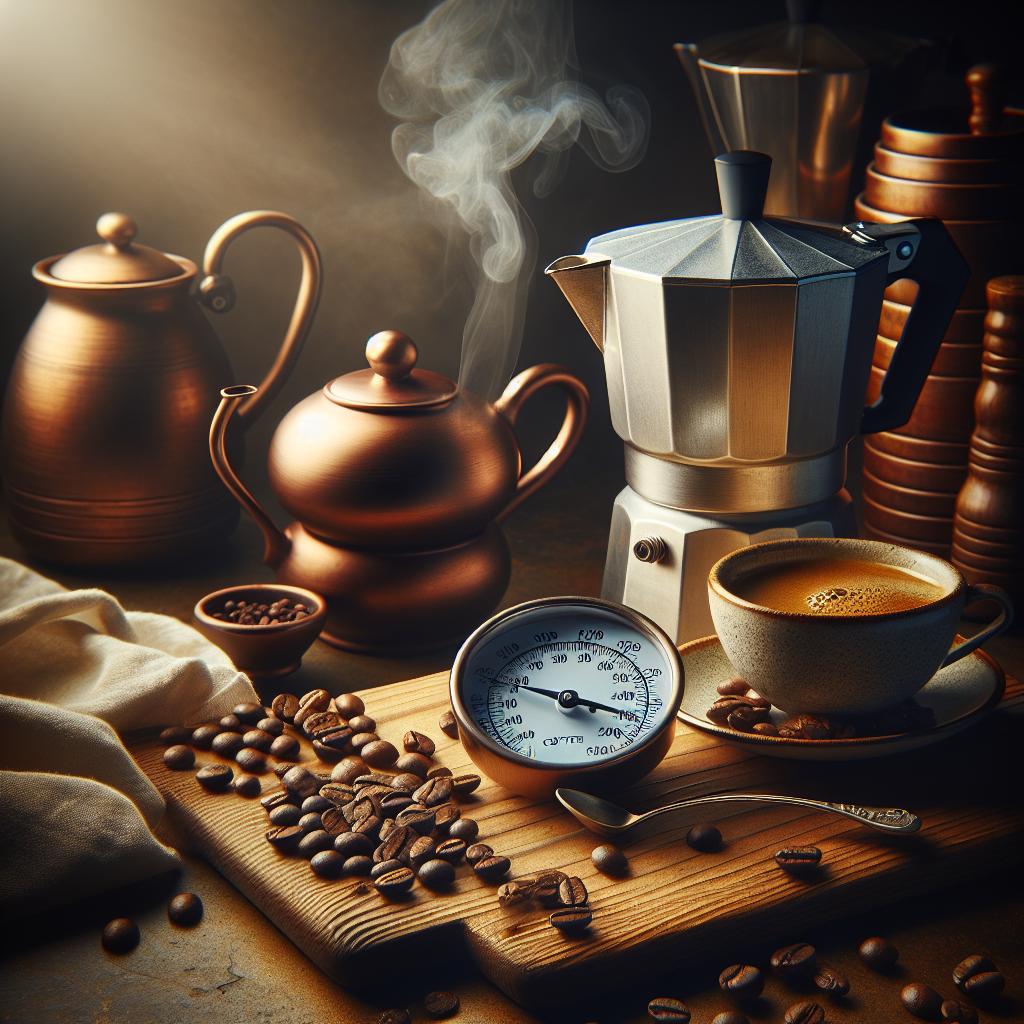
Mastering Water Temperature: The Key to unlocking Coffee’s Full Potential
Mastering the water temperature used in brewing coffee is essential for extracting the full flavors of your coffee beans. Many beginners underestimate this critical factor, but even slight variations in temperature can significantly impact the taste of your brew. In order to enhance your coffee experience, understanding the brew temperature range will help you unlock the rich, nuanced flavors that your beans have to offer.
Understanding brew Temperature
The ideal temperature for brewing coffee generally falls between 195°F to 205°F (90°C to 96°C). Brewing within this range helps to optimize flavor extraction while minimizing bitterness. If the water is too hot, it can scorch the coffee, extracting undesirable flavors, while cooler water might lead to under-extraction, leaving your coffee flat and tasteless. Each roast type may respond differently, so experimentation can be key to finding your personal sweet spot.
Practical Tips for Brewing
To achieve the best results when brewing your coffee, consider the following tips:
- Use a thermometer: Invest in a cooking thermometer.It will help you gauge the exact temperature of your water, ensuring that you stay within the optimal range.
- Preheat your equipment: Whether you’re using a pour-over setup or a French press, preheating your brewing equipment can help maintain the correct temperature during extraction.
- Experiment: Don’t hesitate to tweak your brewing temperature based on the type of beans and your personal preference. A light roast may excel at a slightly cooler temperature, while a dark roast could shine at the higher end of the scale.
Temperature Guidelines for Different Brewing Methods
Different brewing methods may require slight adjustments in water temperature for optimal extraction. here’s a quick table for reference:
| Brewing Method | Temperature Range (°F) | Notes |
|---|---|---|
| Pour Over | 195-205 | Ideal for flavor clarity. |
| French press | 200-205 | Ensures full flavor extraction from coarse grounds. |
| Espresso | 190-205 | Precise temperature helps create crema and balance. |
By mastering water temperature, you’re not just brewing coffee; you’re creating an experience that reflects the careful balance of meticulous preparation and artisanal skill.As you apply these tips, you will find that the quality of your coffee will dramatically improve, transforming your daily cup into a truly enjoyable ritual.
Experimenting with ratios: Finding Your Perfect Brew Strength
Experimenting with different coffee-to-water ratios is essential for discovering your ideal brew strength, allowing you to fine-tune your morning cup to perfection. A common starting point for many coffee enthusiasts is the 1:16.7 ratio, which translates to approximately two tablespoons of coffee for every six ounces of water.Though, this is just the beginning—your personal taste preferences will guide you toward finding your perfect balance.
understanding Ratios
When diving into the world of coffee brewing, consider the following ratios as a baseline for experimentation:
| Coffee to Water ratio | Type of Brew |
|---|---|
| 1:16.7 | Full-flavored regular coffee |
| 1:12 | Strong espresso or French press |
| 1:5 | Cold brew coffee (concentrated) |
| 1:3 | Cold brew coffee (lighter flavor) |
As you experiment with these values,keep in mind that adjusting the amount of coffee can significantly impact the strength and taste of your brew. If you prefer a bolder flavor,start with a stronger ratio,such as 1:12,and if you enjoy a milder cup,try ratios closer to 1:20.
Practical Tips for Experimentation
- Start Small: begin with small batches when testing new ratios to avoid wasting coffee.
- Take Notes: Document your coffee-to-water ratios and tasting notes to help you track what works best for your palate.
- Taste As You Go: Regularly sample your brew throughout the process. This mindful tasting will enhance your understanding of how different ratios influence flavor.
By engaging with various temperatures and brewing methods—such as drip,pour-over,and French press—you further broaden your flavor profile. For beginners keen on learning how to use coffee beans effectively, these adjustments will be instrumental in uncovering your perfect brew strength. Remember,the journey to the ideal cup of coffee is as enjoyable as the destination!
Flavor profiles explained: Understanding Different Bean Varieties
Understanding the diverse flavor profiles of coffee beans can profoundly enhance your brewing experience. Each bean variety offers distinct taste notes influenced by factors such as origin, processing methods, and roast level. By diving into these unique characteristics, you can elevate your coffee enjoyment to new heights.
What Shapes Coffee Flavor Profiles?
Numerous elements contribute to the overall flavor profile of coffee beans. Reflecting on the intricacies of coffee tasting reveals five primary tastes that define its spectrum:
- Sweetness: Often derived from the natural sugars in coffee beans, sweetness balances out acidity and bitterness.
- Acidity: A defining characteristic that adds brightness and liveliness, often associated with fruity and floral notes.
- Bitterness: typically extracted from dark roasts, bitterness provides depth but should be balanced to avoid overwhelming the palate.
- Saltiness: While less common, this component can enhance sweetness and supply a complex flavor experience.
- Umami: This savory taste adds richness, often found in coffees with lower acidity and strong body.
Understanding these tastes helps you better appreciate different bean varieties you’ll encounter in your coffee journey.
Flavor Wheel: A Map of Coffee’s Taste Landscape
The Coffee Flavor Wheel serves as an essential tool for coffee enthusiasts. It visually categorizes the myriad flavors you may experience, from broad categories like fruity and floral to specific notes such as strawberry or rose [[1]]. Exploring this wheel can aid you in identifying and describing the flavors present in each cup, enriching your brewing knowledge and tasting skills.
| Flavor category | Examples |
|---|---|
| Fruity | Berry, Citrus, Tropical fruits |
| Floral | Jasmine, Rose, lavender |
| Nutty | Almond, Hazelnut, Peanut |
| Chocolatey | Dark Chocolate, Milk Chocolate, Cocoa |
| Spicy | Cinnamon, Clove, Pepper |
Practical Tips for Brewing Different Bean Varieties
To truly enjoy the different flavor profiles, consider the following practical tips when using coffee beans:
- Experiment with Brew Methods: Different brewing techniques (like pour-over, French press, or espresso) can amplify or mellow specific flavors. For example, a pour-over method might highlight acidity and fruity notes, while a French press may bring out more body and chocolate flavors.
- Adjust Grind Size: The grind size can greatly impact extraction. A finer grind typically extracts flavors more quickly, which is excellent for brewing methods that require shorter brew times.
- Pay attention to Roast Level: Lighter roasts typically preserve the bean’s natural flavors, whereas darker roasts can introduce new, bolder flavors, frequently enough overshadowing the bean’s unique characteristics.
By embracing these strategies and understanding different coffee flavor profiles, you’ll be better equipped to tailor your brewing process and enhance your overall coffee experience. Discovering how to use coffee beans effectively is not just an art but a delightful journey of taste that every beginner should embark upon.
Elevating Your Brew: Tips for Enhancing Aroma and Freshness
Unlocking the Full Potential of Your Coffee Experience
The aroma of freshly brewed coffee can be one of the most enticing parts of your morning ritual. Though, to truly elevate your brew, understanding how to preserve and enhance that aroma is crucial. One of the most effective strategies is to focus on the freshness of your coffee beans. Coffee starts to lose its flavor and fragrance soon after being ground, so for the best results, consider grinding your coffee just before brewing. Investing in a quality burr grinder will allow you to achieve a consistent grind size,which is essential for flavor extraction across different brewing methods,whether you’re using a French press or an AeroPress.
Optimal Storage for Freshness
Another key factor in enhancing the aroma of your coffee is how you store your beans. Coffee should be kept in an airtight container in a cool, dark place to protect it from light, moisture, and air. Consider using a vacuum-sealed bag or a jar with a one-way valve to keep your beans fresh longer. Avoid standard kitchen containers that are not airtight; this simple change can significantly impact the aromatic quality of your cup.
- seal it Tight: Use airtight containers to limit exposure to air.
- Keep it cool: Store in a cool and dark environment to avoid heat degradation.
- Buy In Small Quantities: Purchase only what you will use within a few weeks.
The Art of Brewing: Water Quality and temperature
The quality of water used during brewing plays a pivotal role in how your coffee tastes and smells.Using filtered water can help removed unwanted chlorine and impurities, contributing to a cleaner taste. Additionally, the temperature at which you brew your coffee can either enhance or mask the aromatic compounds present in your beans. Aim for a water temperature between 195°F and 205°F (90°C to 96°C), which is optimal for extracting flavors while preserving the essential oils that contribute to the coffee’s aroma.
| Brewing Method | Ideal Grind Size | Water Temperature (°F) | Steeping Time |
|---|---|---|---|
| French Press | Coarse | 200 | 4 minutes |
| AeroPress | Fine | 200 | 2 minutes |
| Chemex | Medium | 198 | 4-5 minutes |
By paying attention to these details—grinding freshly,storing properly,using clean water,and controlling brewing temperature—you will not only enhance the aroma of your coffee but also enrich your overall brewing experience. These tips are vital for anyone looking to master the art of coffee brewing as suggested in various guides on how to use coffee beans effectively.
Common Brewing Mistakes: What to Avoid on Your Coffee Journey
Mastering Your Brew: Common Mistakes to Avoid
The journey to brewing the perfect cup of coffee can be riddled with pitfalls. understanding these common mistakes is essential for both beginners and seasoned enthusiasts alike. Many people assume that any method will yield a good cup, but several key factors can significantly impact the taste and quality of your brew.
Temperature Matters
One of the most frequent errors made when brewing coffee is not heating the water to the correct temperature. Water that isn’t hot enough fails to extract the rich flavors from the coffee grounds. Ideally, your water should be between 195 to 205 degrees Fahrenheit. If you’re using a drip brewer, be aware that many machines don’t hit this optimal range. Consider switching to methods like a French press or pour-over,where you have complete control over the water temperature [[1]].
Measuring Ingredients
Another common mistake is incorrect measurement of water and coffee ratios. Striving for that perfect balance can make all the difference. Many coffee enthusiasts recommend experimenting with different ratios until you find what suits your palate the best. A general guideline is to start with a ratio of 1:15 of coffee to water,adjusting as necessary based on taste. This could mean weighing your coffee grounds rather than using volume, as it results in a more consistent brew [[3]].
Choosing the Right Grind
The grind size is another crucial aspect that can dramatically alter your coffee experience. Using the wrong grind size for your brewing method can lead to under-extraction (too coarse) or over-extraction (too fine), which can result in a bitter or weak cup. Such as, a French press requires a coarse grind, while espresso demands a fine grind. pay attention to the recommendations for each brewing method to ensure you are using the correct grind [[2]].
| Brew Method | Recommended Grind Size |
|---|---|
| French Press | Coarse |
| Pourover | Medium |
| Espresso | Fine |
| Aeropress | Medium-fine |
Avoiding these common brewing mistakes will enhance your coffee-making skills and elevate your everyday coffee experience. By paying attention to temperature, measuring your ingredients accurately, and selecting the appropriate grind, you’ll be well on your way to mastering the art of coffee brewing as outlined in the guide on how to use coffee beans effectively.
Faq
How do I brew coffee using coffee beans?
To brew coffee using coffee beans, start by grinding them to the required consistency, typically medium for drip coffee. Measure out your beans according to the desired coffee-to-water ratio, usually 1:15. Then,use your preferred brewing method to extract the flavors.
First, make sure to choose high-quality coffee beans and grind them just before brewing for the freshest taste. Depending on the brewing method, finer grinds work for espresso, whereas coarser grinds suit methods like French press. This brings out the best flavors,so you enjoy a rich,aromatic cup. For more detailed brewing techniques, check out our guide on how to brew coffee.
What is the ideal coffee-to-water ratio for brewing?
The ideal coffee-to-water ratio is about 1:15, meaning for every gram of coffee, use 15 grams of water. This balance allows for a full-bodied flavor without being overly strong.
Remember, this ratio can vary based on the brewing method and personal taste preferences. Such as, espresso requires a much lower ratio, around 1:2, while a french press can handle a ratio closer to 1:12 for a bolder flavor. Adjust as you discover your favorite brew!
Can I use any type of coffee bean for brewing?
Yes, you can use any type of coffee bean for brewing, but different beans yield distinct flavors.explore options like Arabica for sweetness or Robusta for a punchy kick.
Each coffee bean type has unique profiles based on the region they are grown in. As a notable example, Ethiopian beans frequently enough have floral notes, while Colombian beans tend toward nutty and caramel flavors. Experimenting with varieties helps you find your personal favorite!
Why does the grind size matter in brewing?
Grind size affects extraction time and flavor. finer grounds extract quickly,perfect for espresso,while coarser grounds take longer,ideal for French press. The wrong size can lead to bitter or weak coffee.
Using the right grind size enhances your coffee experience. If the grind is too fine, you may over-extract and create a bitter taste. Conversely, too coarse a grind can under-extract, leaving your coffee weak and lacking depth. Always choose a grind size suited for your brewing equipment!
How do I store coffee beans for freshness?
To keep coffee beans fresh, store them in an airtight container in a cool, dark place. Avoid exposing them to light, heat, or moisture.
The key to preserving flavor and aroma is minimizing oxidation. Consider investing in a vacuum-sealed container to maintain peak freshness for longer. Remember, whole beans stay fresher than pre-ground coffee, so grind just before brewing for the best results!
What brewing methods are best for beginners?
Beginner-amiable brewing methods include drip coffee makers, French press, and pour-over techniques. These methods are straightforward and provide delicious results.
Using a drip coffee maker is simple; just add water and coffee grounds and let the machine do the work. The French press allows a hands-on approach, letting you steep for rich flavor. Pour-over gives you control over brewing time and flow rate, enhancing the coffee experience. Try them all to see which you enjoy most!
Can I re-use coffee grounds for brewing?
Re-using coffee grounds is generally not recommended, as their flavor and aroma diminish significantly after the first brew.However, you can use them for compost or other creative purposes.
While some may suggest double brewing for a lighter cup,it frequently enough results in a weak flavor that lacks complexity. Instead, enjoy the full flavors of fresh grounds; they will elevate your coffee experience more than re-using old ones ever could!
To Wrap It Up
As we wrap up this exploration into the world of coffee beans and brewing tips, let’s take a moment to savor the journey. Each cup of coffee is an invitation—a chance to experience the rich aromas, the textured flavors, and the delightful warmth that only a perfectly brewed cup can provide. Remember, starting with quality coffee beans is essential; their freshness and variety will greatly influence your brew.
Pay attention to the fundamentals: the grind size, water temperature, and brew time are your allies in crafting that perfect cup. whether you lean towards the quick simplicity of an AeroPress or the traditional care of a French press, these methods open doors to a world of coffee experiences. Don’t hesitate to experiment with different techniques, like adjusting your water temperature to avoid bitterness or discovering your ideal coffee-to-water ratio for maximum flavor.
so, grab your beans, explore different brewing styles, and let your taste buds lead the way. Invite friends over for a coffee tasting, or simply enjoy some quite moments with your favorite blend. Every brew is a new adventure waiting to be savored. Dive deeper,explore new flavors,and most importantly,enjoy the ritual that coffee brings into your life. Cheers to crafting your best coffee experience yet!


